
Assumption Cathedral: A Journey Through Cluj-Napoca's Medieval Heritage
June 05, 2025

I spent about an hour exploring the Assumption Cathedral, walking through its Gothic spaces and checking out the student art exhibitions. The building's unique blend of medieval architecture and modern university use made it a surprising and interesting stop in Cluj-Napoca's city center.
Where medieval stone walls meet contemporary art studios, the Assumption Cathedral stands as Cluj-Napoca's architectural time machine. Step inside to discover how a 15th-century Gothic church transformed into a living university space that bridges centuries of Romanian cultural history.
Need-to-Know Info Before Visiting Assumption Cathedral
5+
images
Assumption Cathedral Address
Piața Unirii 18, Cluj-Napoca 400098, Romania
Assumption Cathedral Opening Hours
- 🕒 Monday-Friday: 8 AM - 6 PM
- 🕒 Saturday: 9 AM - 1 PM
- 🕒 Sunday: Closed for public tours
How to get to Assumption Cathedral
- 🚗 By car: Parking available near Piața Unirii
- 🚌 Public transport: Trams 2, 4, and Bus 24 stop nearby
- 🚕 Rideshare: Uber and local taxi services accessible
What is Assumption Cathedral known for?
- 15th-century Gothic architectural masterpiece in central Cluj-Napoca
- Historic church now partially used by University of Cluj's art faculty
- Represents significant medieval Romanian architectural heritage
- Located in the heart of Cluj-Napoca's historic city center
What is Assumption Cathedral in Cluj-Napoca?
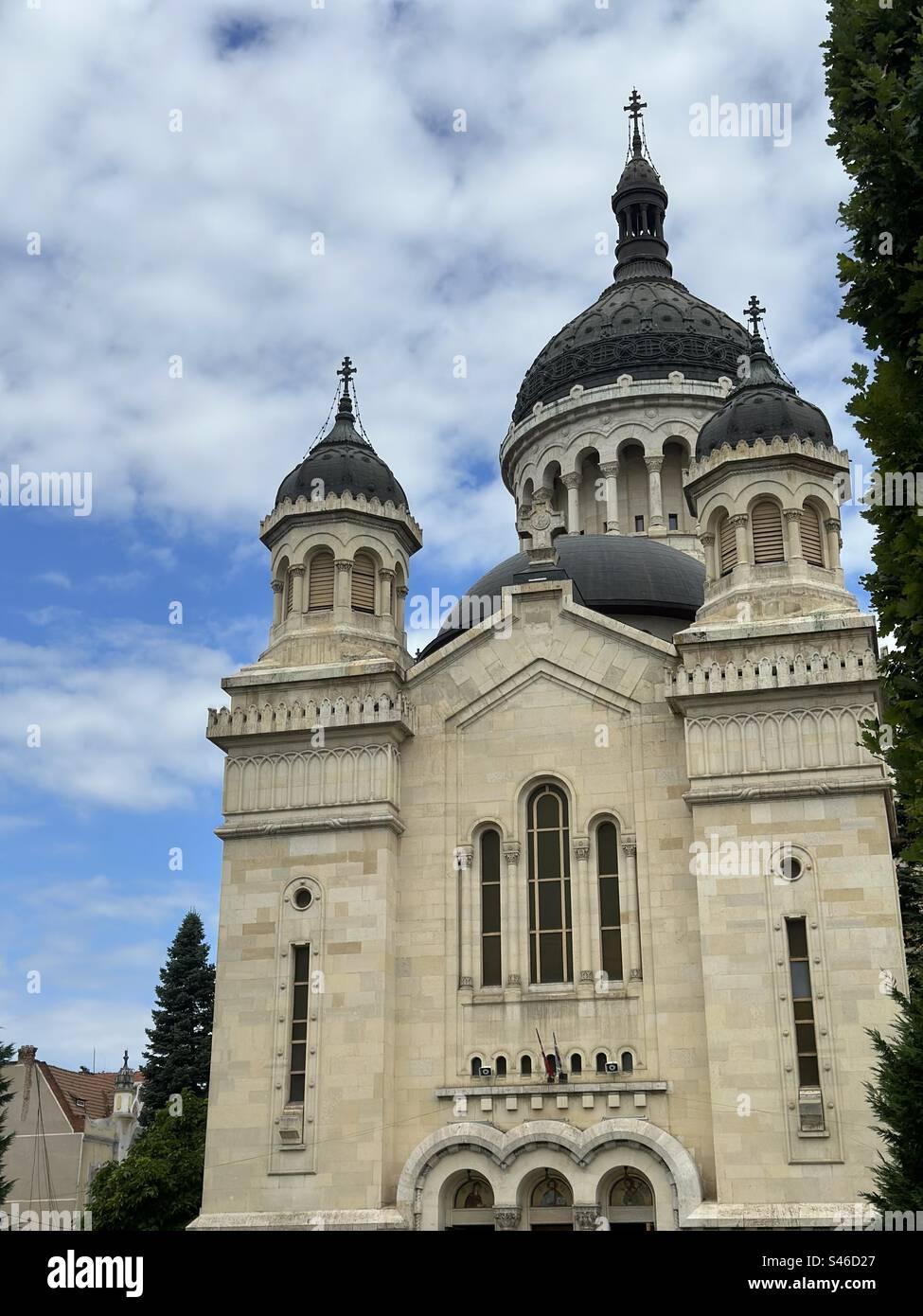
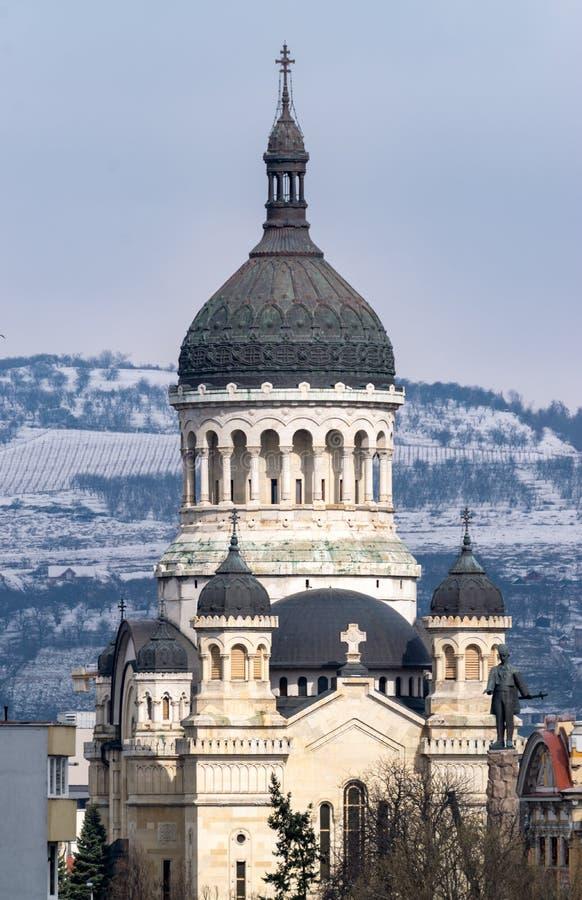
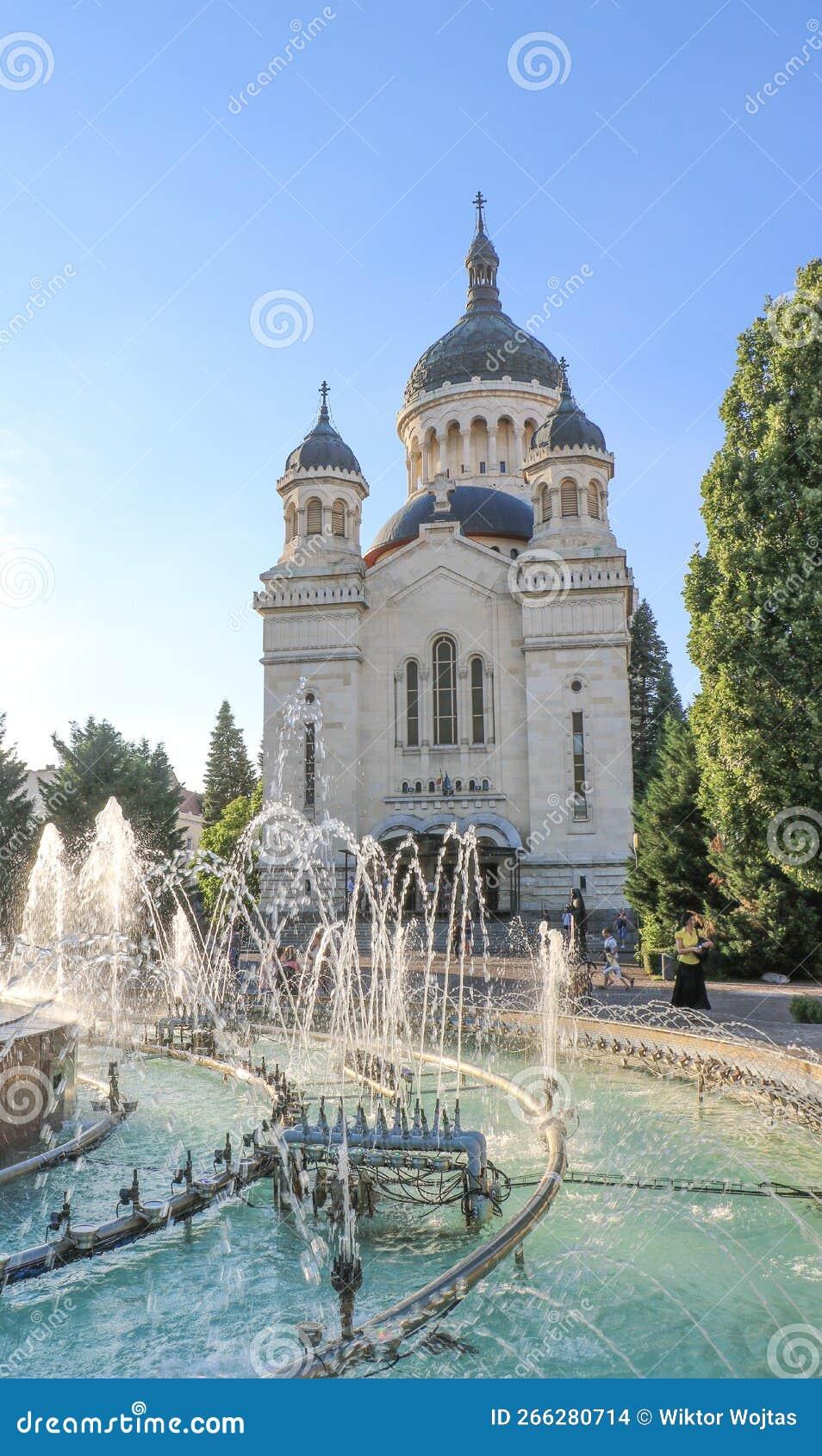
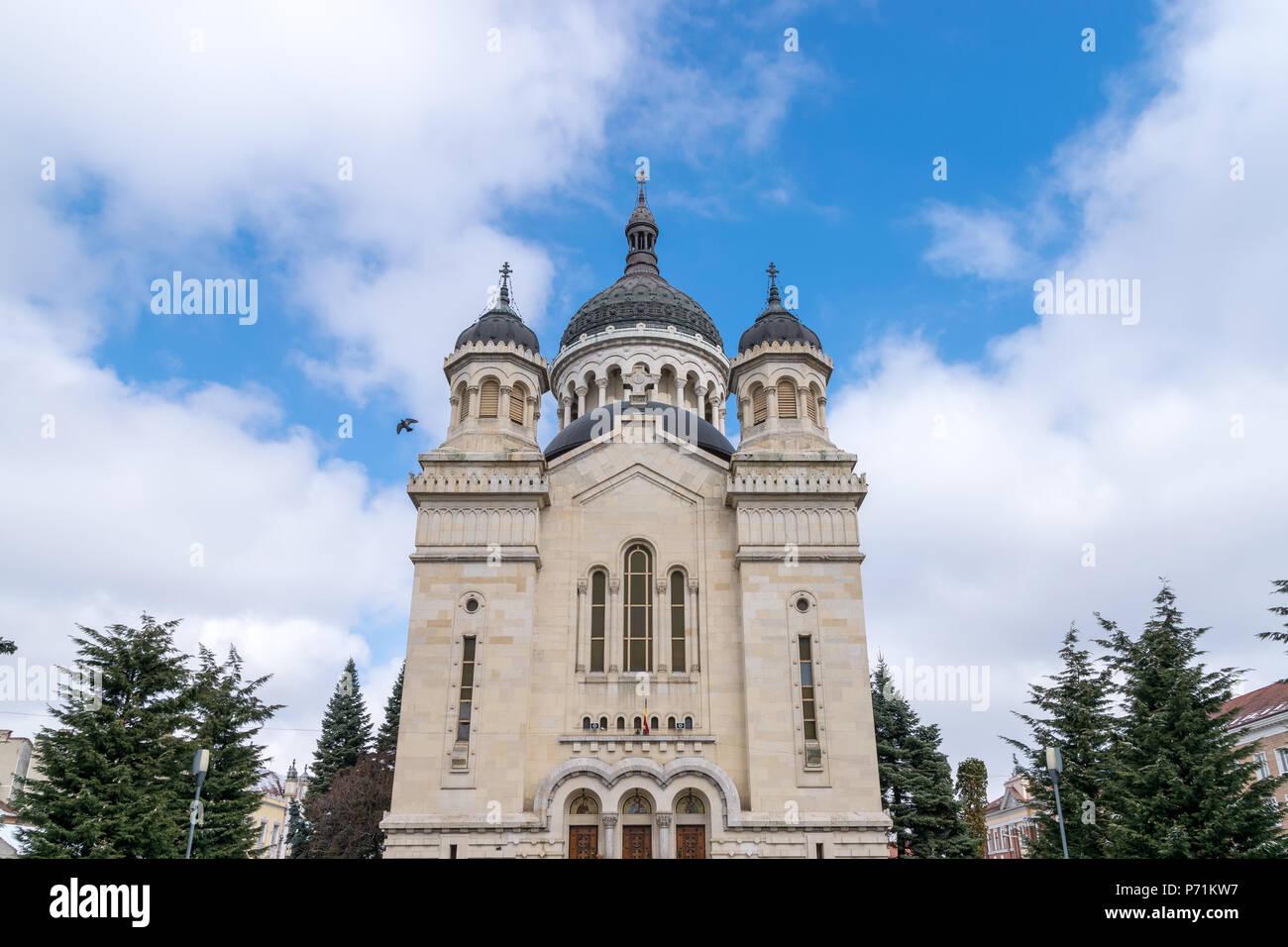
Tucked into the bustling city center of Cluj-Napoca, the Assumption Cathedral stands as a quiet testament to Romania's medieval architectural heritage. This Gothic-style church draws history buffs and architecture enthusiasts who want to peek into the city's rich cultural landscape. Situated right in the heart of Piața Unirii, the cathedral attracts a steady stream of tourists and local students from the nearby University of Cluj. While no longer functioning solely as a religious space, the building now serves a dual purpose - part historical landmark, part academic building for the university's art and design faculty. Visitors can explore its stone walls and intricate Gothic details, which tell stories of centuries past. Architecture photographers find the cathedral's exterior particularly compelling, with its precise stone masonry and classic medieval European design. During university hours, you might catch glimpses of art students moving through its spaces, adding a modern layer to the cathedral's centuries-old narrative. The landmark represents more than just a building - it's a living connection between Cluj-Napoca's medieval roots and its contemporary urban culture.
Top things to do at Assumption Cathedral
- Explore the exterior Gothic architectural details, noting the intricate stone masonry and medieval design elements
- Visit the university art faculty sections to see student exhibitions and contemporary art displays
- Photograph the cathedral's historic facade and surrounding Piața Unirii square for architectural memories
- Check out the seasonal university art installations that often transform the cathedral's interior spaces
- Learn about the building's transformation from a religious site to an academic institution through informational displays
- Observe art students working and studying within the historic cathedral spaces during university hours
History of Assumption Cathedral
- 1400s: Initial construction of the Gothic-style church begins in Cluj-Napoca
- 15th century: Completed as a significant religious landmark in the medieval city
- Late 20th century: Transformed from a purely religious space to incorporate university academic functions
- Present day: Serves dual purpose as historical landmark and University of Cluj art faculty building
Cultural Significance
The Assumption Cathedral represents a critical intersection of religious heritage and educational development in Cluj-Napoca. As a Gothic building that has transitioned from a church to an academic institution, it symbolizes the city's adaptability and commitment to preserving historical architecture while supporting modern educational needs. The cathedral reflects Cluj-Napoca's complex cultural landscape, where historical structures continue to play active roles in contemporary urban life.
Tips for Visitors
- Photography is permitted outside the building, but check indoor photography rules
- Wear comfortable walking shoes as the area involves cobblestone streets
- Best visited during university hours to observe the building's current academic use
- Check university event schedules, as art exhibitions might be happening
- Nearby cafés and restaurants make it easy to plan a full day around the landmark
What are some interesting facts about Assumption Cathedral?
- The cathedral's stone blocks were transported from nearby quarries using medieval wooden cart systems, a remarkable logistical feat for the 15th century
- Some original Gothic architectural elements remain hidden within the university's current faculty spaces, creating a unique blend of medieval and modern design
- Local Cluj-Napoca folklore suggests that the cathedral's location was strategically chosen to align with important astronomical observations during the medieval period