
Cluj-Napoca Franciscan Church: A Medieval Architectural Gem
May 28, 2025

I spent about an hour exploring the intricate trompe l'oeil frescoes and examining the church's remarkable architectural evolution. The church is easily accessible from Piaţa Muzeului, and the interior artwork is well worth the visit, especially for anyone interested in medieval religious architecture.
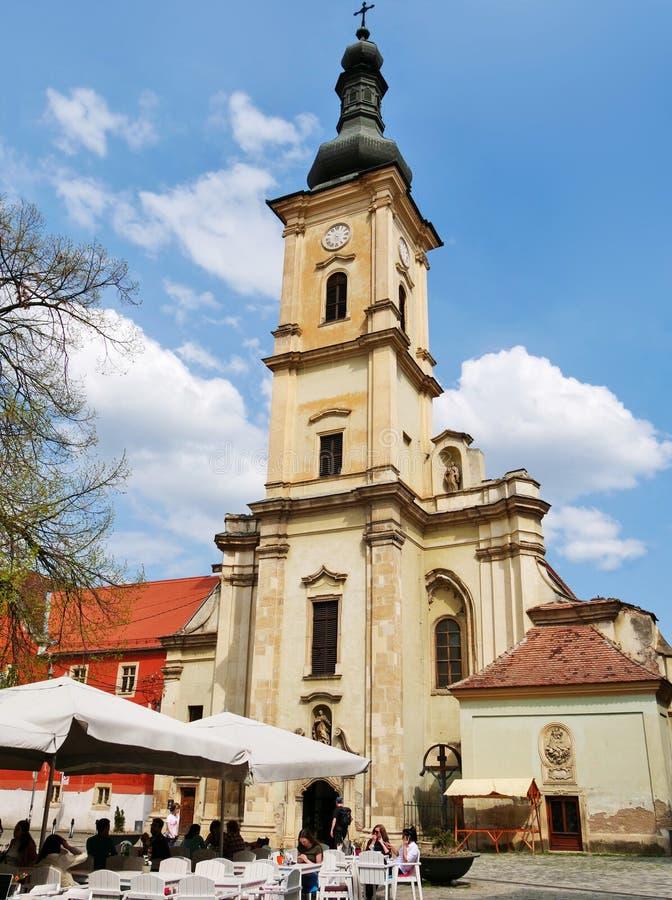
Survive eight centuries of history in one stunning Transylvanian church, where Tatar invasions and baroque renovations have left their mark on every stone. Discover a sanctuary that transformed from medieval Catholic church to school and back, with an iron-capped Gothic steeple that has watched Cluj-Napoca change through time.
Need-to-Know Info Before Visiting Cluj-Napoca Franciscan Church



5+
images
Cluj-Napoca Franciscan Church Address
Strada Franciscanilor 2, Cluj-Napoca 400112, Romania
Cluj-Napoca Franciscan Church Opening Hours
- 🕒 Monday-Saturday: 8:00 AM - 6:00 PM
- 🕒 Sunday: 9:00 AM - 1:00 PM
- 🕒 Religious holidays may have modified hours
How to get to Cluj-Napoca Franciscan Church
- 🚗 By car: Parking available near Piaţa Muzeului
- 🚌 Public transport: Buses 24, 41 stop nearby
- 🚕 Rideshare: Uber and local taxi services accessible
What is Cluj-Napoca Franciscan Church known for?
- Medieval Gothic church with a distinctive iron-capped steeple
- Historic site dating back to 13th century, surviving multiple reconstructions
- Remarkable trompe l'oeil frescoes adorning interior ceiling
- Significant architectural transformation from Romanesque to Baroque styles
- Important religious and cultural landmark in Cluj County
What is Cluj-Napoca Franciscan Church in Cluj-Napoca?
The Cluj-Napoca Franciscan Church sits at the heart of Romania's cultural landscape, drawing history buffs and architecture enthusiasts to its remarkable Gothic structure. Located on the eastern side of Piaţa Muzeului, this medieval church has survived centuries of transformation - from Tatar invasions to architectural reimaginings. Its iron-capped Gothic steeple towers over the city, marking a landmark that tells a complex story of resilience and architectural evolution. Travelers frequently stop by to photograph its intricate trompe l'oeil frescoes and examine the layers of architectural styles - Romanesque, Gothic, and Baroque - that have shaped its current form. While primarily a functioning place of worship, the church also serves as a living museum, showcasing Cluj-Napoca's rich historical narrative through its carefully preserved walls and ornate interior details. During peak tourist seasons, the church attracts international visitors interested in medieval European religious architecture, making it a key stop for guided tours and independent travelers exploring Transylvania's cultural heritage.
Top things to do at Cluj-Napoca Franciscan Church
- Explore the intricate trompe l'oeil frescoes on the church's ceiling, showcasing elaborate baroque painting techniques
- Examine the architectural transformation zones highlighting the church's evolution from Romanesque to Gothic styles
- Attend a traditional Catholic mass to experience the church's ongoing religious significance
- Photograph the distinctive iron-capped Gothic steeple from multiple exterior angles
- Study the historical plaques detailing the church's remarkable survival through multiple historical invasions and reconstructions
- Join a guided historical tour explaining the church's 800-year architectural and cultural narrative
History of Cluj-Napoca Franciscan Church
- 1241: Original Catholic church destroyed during Tatar invasions
- 1260-1290: First Franciscan Church constructed on the site
- 1550s: Church transformed into a school during religious reforms
- 18th Century: Restored to Baroque architectural style by Franciscan monks
- Late 20th Century: Recognized as a heritage site in Cluj County, Romania
Cultural Significance
The Cluj-Napoca Franciscan Church represents more than a religious structure - it's a living testament to Transylvania's complex cultural and architectural evolution. As one of the oldest standing churches in the region, it symbolizes the resilience of local religious communities through centuries of political and social transformations. The church serves not just as a place of worship, but as a historical landmark that connects contemporary Romanian society with its medieval roots.
Tips for Visitors
- Wear respectful clothing when entering the church
- Photography is permitted, but avoid using flash near artwork
- Visit during morning hours for best lighting to appreciate interior frescoes
- Consider hiring a local guide to understand architectural details
- Check service times if you want to experience a traditional Catholic mass
- Allocate at least 45-60 minutes for a comprehensive visit
What are some interesting facts about Cluj-Napoca Franciscan Church?
- The church's iron steeple survived multiple historical reconstructions, making it one of the oldest continuous architectural elements in Cluj-Napoca
- During the 1550s, the church was temporarily converted into a school, reflecting the complex religious and educational transitions of Transylvania
- The trompe l'oeil frescoes inside the church were likely created by traveling Baroque artists who specialized in creating optical illusion paintings during the 18th century