
Discover Transylvania's Rich Cultural Story at the Ethnographic Museum
August 11, 2025

I spent nearly three hours exploring both the downtown Reduta Palace and the open-air Romulus Vuia Park sections, completely immersed in the intricate details of Transylvanian rural life. The museum's collection of traditional costumes and reconstructed houses offers an unparalleled glimpse into the region's multicultural heritage, and the handicraft shop provides an excellent opportunity to take home a piece of authentic Romanian craftsmanship.
Step into a living time capsule where entire wooden houses from remote Transylvanian villages have been carefully preserved and relocated. Uncover the hidden stories of rural life through an extraordinary collection that brings centuries of cultural traditions to life in ways you've never imagined.
Need-to-Know Info Before Visiting Ethnographic Museum of Transylvania
5+
images
Ethnographic Museum of Transylvania Address
21 Memorandumului Street, Cluj-Napoca, Romania 400094
Ethnographic Museum of Transylvania Opening Hours
- 🕒 Tuesday - Sunday: 10 AM - 6 PM
- 🕒 Closed on Mondays
- 🕒 Holiday hours may vary
How to get to Ethnographic Museum of Transylvania
- 🚗 By car: Parking available near museum entrance
- 🚌 Public transport: Bus lines 24, 36 stop nearby
- 🚕 Rideshare: Uber and local taxi services accessible
What is Ethnographic Museum of Transylvania known for?
- Largest ethnographic collection documenting rural Transylvanian life
- Features traditional costumes, handicrafts, and household objects from 19th-20th centuries
- Includes both indoor museum and expansive open-air exhibition at Romulus Vuia Park
- Offers insights into multicultural heritage of Romanian, Hungarian, and Saxon communities
- Houses rare textile collections and handcrafted ceramic artifacts
What is Ethnographic Museum of Transylvania in Cluj-Napoca?
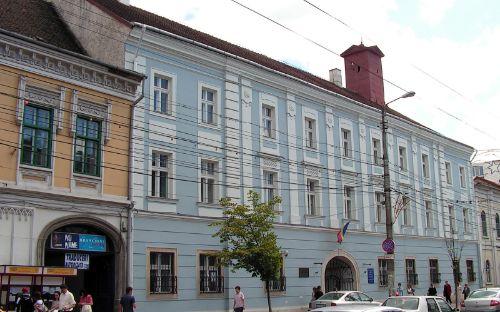
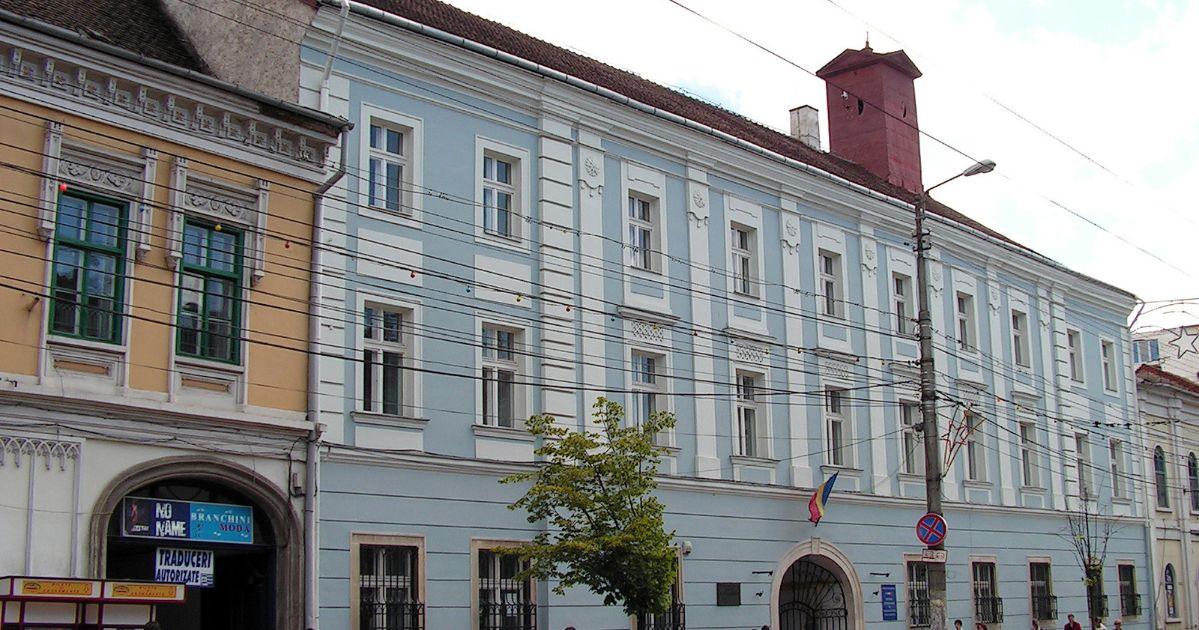
The Ethnographic Museum of Transylvania stands as a cultural time capsule in the heart of Cluj-Napoca, offering travelers an unfiltered look into the region's rural heritage. Spread across two distinct locations - the downtown Reduta Palace and the expansive Romulus Vuia open-air park - this museum attracts history buffs and curious travelers seeking to understand Transylvania's complex cultural landscape. Tourists can expect a deep dive into the everyday life of Romanian, Hungarian, and Saxon communities through an impressive collection of traditional costumes, household objects, and intricate handicrafts. The museum's popularity stems from its comprehensive storytelling, showcasing everything from delicate embroidered linens to hand-painted ceramics that capture generations of local craftsmanship. Photography enthusiasts will find countless opportunities to document traditional Romanian life, with displays that bring historical narratives to life. During peak tourist seasons, the museum draws significant crowds, particularly international visitors eager to understand the multicultural tapestry of Transylvania beyond typical tourist narratives. The attached handicraft shop provides an additional draw, allowing visitors to take home authentic pieces of local artistry as meaningful souvenirs of their Romanian journey.
Top things to do at Ethnographic Museum of Transylvania
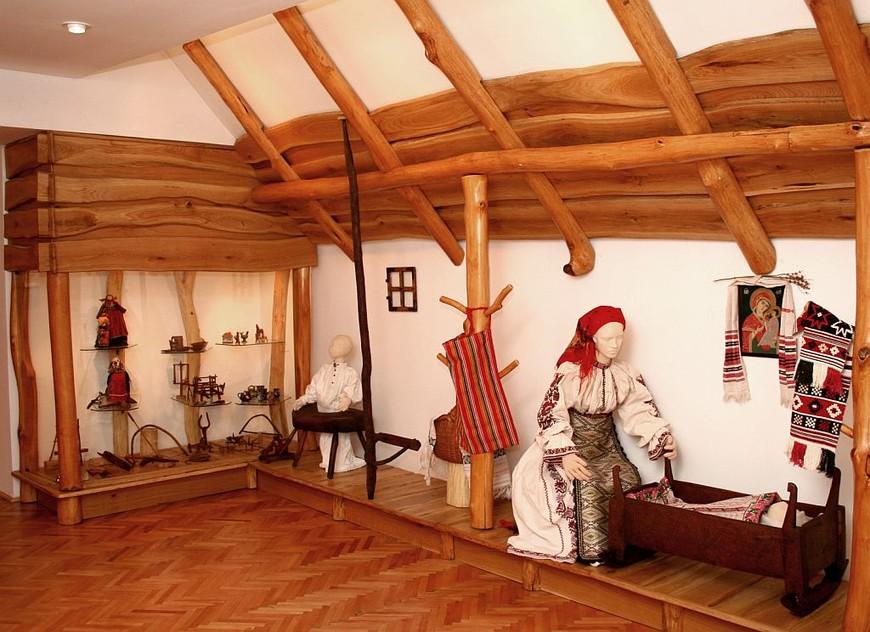
- Explore the traditional Romanian household exhibit featuring authentic 19th-century rural interiors with original furniture and household tools
- Visit the handicraft shop to purchase handmade embroidered linens, hand-painted ceramics, and traditional Romanian textiles
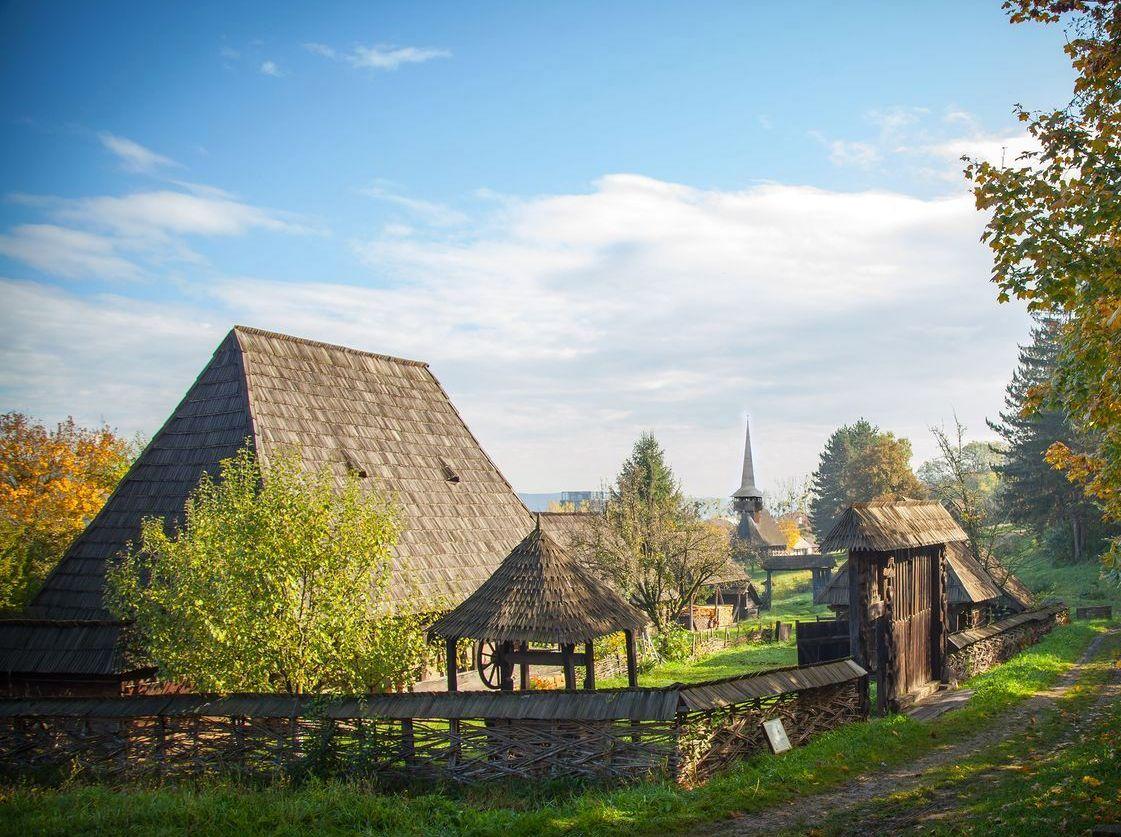
- Walk through the open-air Romulus Vuia Park section to see reconstructed traditional wooden houses from different Transylvanian regions
- Attend seasonal workshops demonstrating traditional Romanian crafts like weaving, pottery making, and wood carving
- Photograph traditional Romanian costumes showcasing the distinctive dress of Hungarian, Saxon, and Romanian ethnic communities
- Explore the multimedia exhibits tracing the cultural evolution of rural Transylvanian communities from the 18th to 20th centuries
Tickets and Pricing
The Ethnographic Museum of Transylvania offers affordable entry with separate pricing for its downtown and open-air park locations. Adult tickets typically cost around 20 RON (approximately €4), with reduced rates for students, seniors, and children. Guided tours are available for an additional fee, providing deeper insights into Transylvanian cultural heritage. Group discounts are offered for parties of 10 or more visitors. Consider purchasing a combined ticket for both museum sections to save money and maximize your experience.
Cultural Significance
The museum represents a critical preservation center for Transylvania's multicultural identity, documenting the intricate social fabric of Romanian, Hungarian, and Saxon communities. It serves as a living archive of rural traditions, showcasing how different ethnic groups lived, worked, and maintained their cultural practices through generations. By collecting and displaying everyday objects, traditional costumes, and household items, the museum provides a nuanced understanding of Transylvanian social history that goes beyond typical historical narratives.
History of Ethnographic Museum of Transylvania
- 1922: Initial founding of the museum in Cluj-Napoca
- 1930s: First comprehensive collection of rural artifacts begins
- 1940s: Expansion of museum collections during post-war period
- 1960: Official establishment as a state-recognized ethnographic institution
- 1990: Major renovation and modernization of exhibition spaces
- 2000: Introduction of Romulus Vuia open-air park section
- 2010: Digital archiving and documentation of museum collections begins
Tips for Visitors
- Allocate at least 2-3 hours to explore both museum sections
- Wear comfortable walking shoes for the open-air park exhibit
- Photography is permitted, but check specific exhibit restrictions
- Summer visits are best for outdoor Romulus Vuia Park section
- Check website for occasional free entry days and special events
- English audio guides are available for international visitors
- The museum shop offers authentic souvenirs and local handicrafts
What are some interesting facts about Ethnographic Museum of Transylvania?
- The museum's open-air Romulus Vuia Park section features authentic wooden houses relocated from different Transylvanian regions, essentially creating a full-scale rural village replica
- Local researchers spent decades tracking down and carefully documenting over 30,000 traditional artifacts, many rescued from remote mountain villages before they disappeared completely
- The museum's founders originally collected artifacts by traveling on horseback and foot through Transylvanian countryside, personally negotiating with rural families to preserve their cultural heritage