
Discover Rural Romania at Ethnographic Park Romulus Vuia
June 20, 2025

I spent nearly three hours exploring the incredible traditional houses, with the Cizer Church's wooden frescoes being the absolute highlight of my visit. The museum is easily accessible from Cluj-Napoca by trolleybus 37, and the powder-blue potter's house gave me an incredible glimpse into Romania's rural heritage.
Imagine walking through an entire village where every building tells a story of Romanian rural life, meticulously transported and reconstructed from different regions. Ethnographic Park Romulus Vuia isn't just a museum-it's a time machine that lets you step inside centuries-old wooden churches and peasant homes most tourists never get to see.
Need-to-Know Info Before Visiting Ethnographic Park Romulus Vuia
5+
images
Ethnographic Park Romulus Vuia Address
Strada Tăietura Turcului 5-7, Cluj-Napoca 400376, Romania
Ethnographic Park Romulus Vuia Opening Hours
- 🕒 Tuesday-Sunday: 10:00 AM - 6:00 PM
- 🕒 Closed on Mondays
- 🕒 Summer hours (May-September): Extended hours possible
How to get to Ethnographic Park Romulus Vuia
- 🚗 By car: Free parking available on-site
- 🚌 Public transport: Trolleybus 37 from Piaţa Mihai Viteazu
- 🚕 Rideshare: Uber and local taxi services available
What is Ethnographic Park Romulus Vuia known for?
- Largest open-air ethnographic museum in Transylvania
- Over 300 traditional Romanian rural buildings from different regions
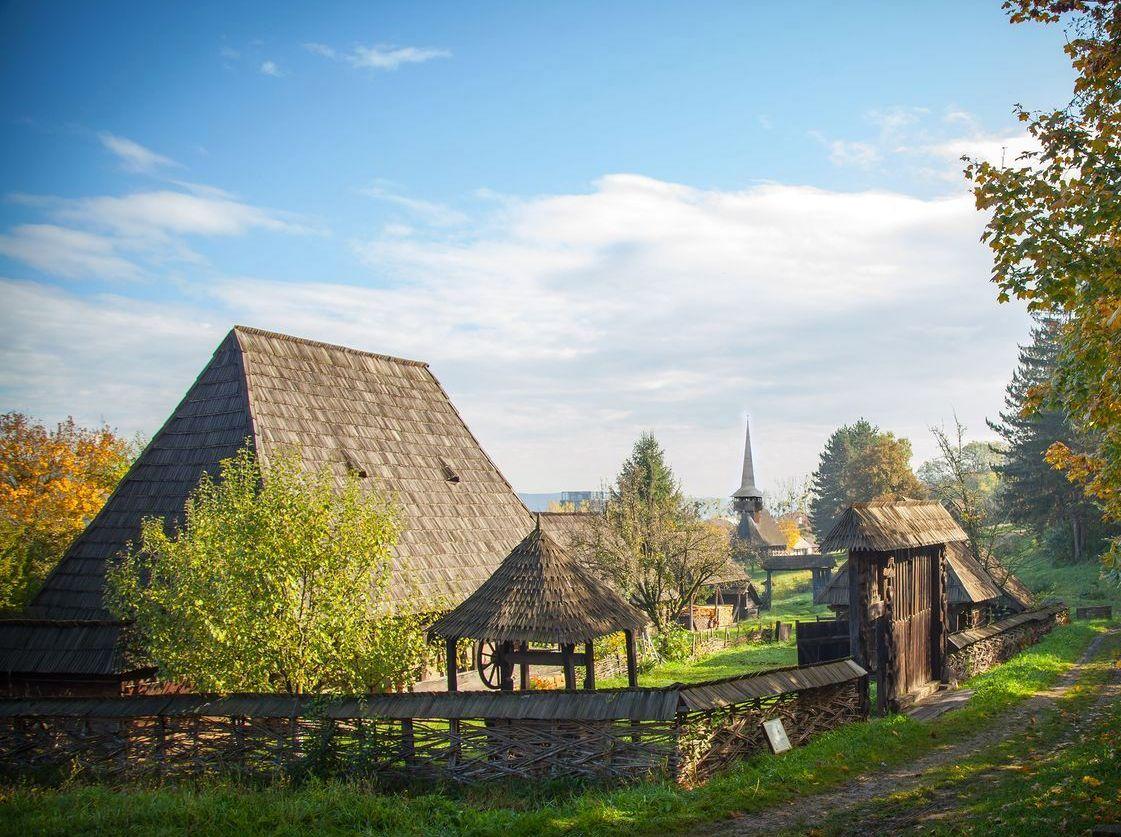
- Authentic wooden churches, farmhouses, and agricultural structures
- Showcases rural Romanian life from 18th-20th centuries
- Reconstructed traditional architectural styles representing multiple Romanian counties
What is Ethnographic Park Romulus Vuia in Cluj-Napoca?
Ethnographic Park Romulus Vuia stands as Romania's time capsule of rural heritage, tucked away just 5 kilometers northwest of Cluj-Napoca. This sprawling open-air museum transforms visitors into time travelers, showcasing over 300 traditional buildings meticulously reconstructed from different Romanian regions. Tourists and history buffs flock to this landmark to walk through authentic rural Romanian landscapes, exploring wooden churches, farmhouses, and agricultural structures that tell stories of Romania's countryside from the 18th to 20th centuries. The park attracts around 50,000 visitors annually, making it a top cultural destination in Transylvania. Photography enthusiasts find endless opportunities to capture the intricate wooden architecture, with the powder-blue potter's house and the remarkable Cizer Church emerging as crowd favorites. Unlike typical museums, this park allows visitors to step inside structures, peek at farming tools, examine traditional embroidery, and experience the genuine atmosphere of Romanian rural life. International travelers and local school groups frequently visit to understand Romania's rich cultural roots, making it more than just a museum - it's a living historical narrative spread across 96 acres of carefully curated landscape.
Top things to do at Ethnographic Park Romulus Vuia
- Explore the Cizer Church interior and admire its rare wooden frescoes, which require special permission from a caretaker to view
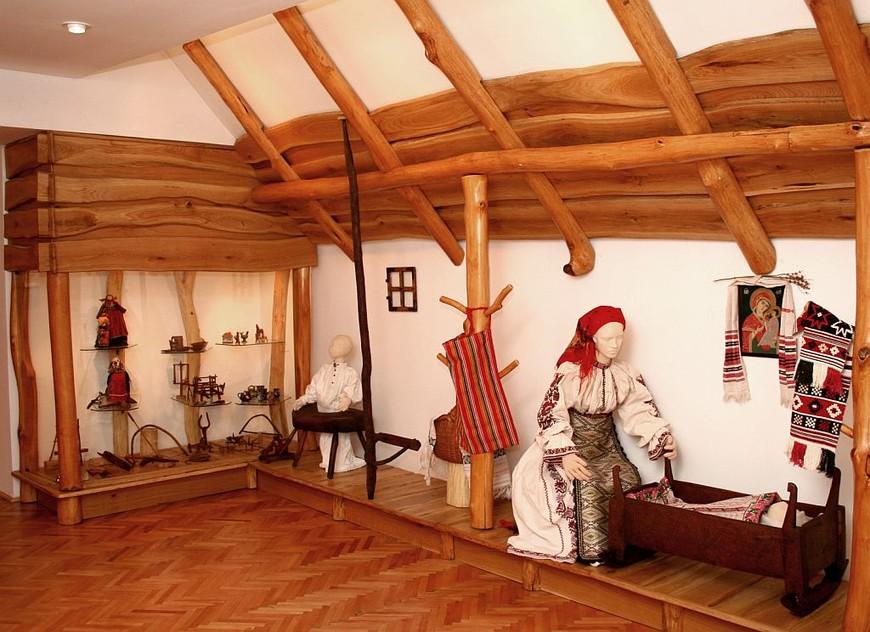
- Visit the powder-blue potter's house to discover authentic Romanian peasant tools, embroidery techniques, and traditional wooden crafts
- Walk through reconstructed traditional houses from different Romanian counties, each representing a unique architectural style and regional heritage
- Photograph traditional agricultural equipment and understand rural Romanian life through carefully preserved artifacts
- Attend seasonal workshops demonstrating traditional Romanian crafts like weaving, pottery, and woodworking
- Participate in guided tours explaining the historical significance of each reconstructed building and its cultural context
Tickets
Entry to Ethnographic Park Romulus Vuia costs approximately 20 RON (Romanian Lei) for adults, with reduced rates for students and seniors. Tickets can be purchased directly at the museum entrance. Group discounts are available for parties of 10 or more. Children under 7 enter free. Cash and card payments are accepted.
Best Time to Visit
The park is most enjoyable during late spring (May-June) and early autumn (September-October) when temperatures are mild and comfortable for walking around the outdoor exhibits. Summer months can get crowded with tourists, while winter limits outdoor exploration. Weekdays tend to be less busy compared to weekends, offering a more relaxed experience.
History of Ethnographic Park Romulus Vuia
- 1929: First conceptualized by ethnographer Romulus Vuia as a project to preserve Romanian rural architectural heritage
- 1936: Initial land acquisition and first traditional structures relocated to the site
- 1950: Officially established as a national ethnographic museum under communist government
- 1970: Significant expansion adding structures from multiple Romanian regions
- 1990: Post-communist renovation and international recognition as a cultural preservation site
- 2007: Major restoration project completed, modernizing visitor facilities
Cultural Significance
Ethnographic Park Romulus Vuia represents more than a museum - it's a living archive of Romanian rural life. The park preserves architectural styles, crafts, and social structures that might otherwise be lost to modernization. Each reconstructed building tells a story about regional identity, agricultural practices, and community traditions across different Romanian counties.
Tips for Visitors
- Wear comfortable walking shoes as the park covers approximately 96 acres
- Bring a camera to capture unique architectural details
- Check weather forecast and dress in layers
- Allow at least 2-3 hours for a comprehensive visit
- Consider hiring a guided tour for deeper cultural insights
- Bring water and snacks, as on-site dining options are limited
What are some interesting facts about Ethnographic Park Romulus Vuia?
- The park's namesake, Romulus Vuia, was not just a museum founder but a pioneering Romanian ethnographer who personally traveled across Romania documenting rural architectural styles
- Some buildings in the museum were literally transported piece by piece from their original locations, with carpenters carefully marking and reconstructing each wooden structure
- The museum owns the largest collection of traditional Romanian wooden churches in the country, with some structures dating back to the 17th century and representing architectural styles from Transylvania, Maramureș, and Bucovina regions