
Museum of Pharmacy: Romania's Pharmaceutical Heritage Unveiled
July 07, 2025

I wandered through the Museum of Pharmacy for about an hour, completely fascinated by the ancient pharmaceutical tools and handwritten medicine recipes from centuries ago. The museum is conveniently located near the Central Park of Cluj-Napoca, making it easy to combine with other city attractions.
Step into a forgotten world where medicine was part art, partalchemy in a 16th-century building. Uncover centuries of pharmaceutical secrets hidden in every glass vial and wooden cabinet at Cluj-Napoca's most unexpected historical treasure.
Need-to-Know Info Before Visiting Museum of Pharmacy
5+
images
Museum of Pharmacy Address
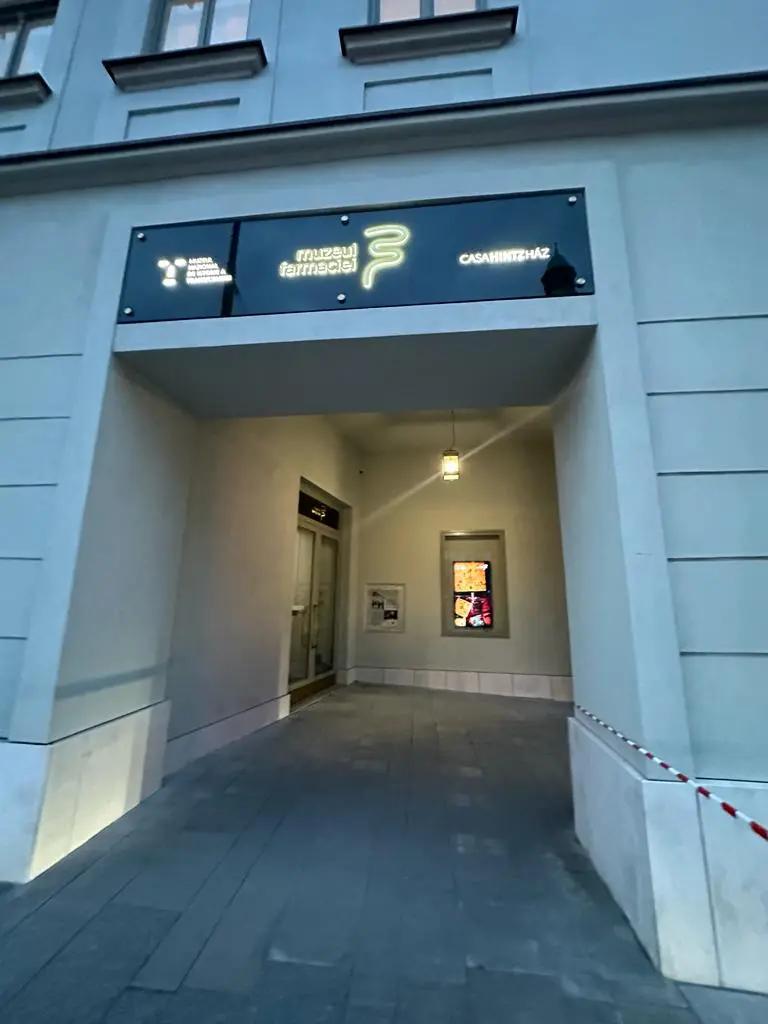
Emil Racoviță Street 2-4, Cluj-Napoca 400124, Romania
Museum of Pharmacy Opening Hours
- 🕒 Tuesday-Sunday: 10:00 AM - 5:00 PM
- 🕒 Closed on Mondays
- 🕒 Holidays may have modified hours
How to get to Museum of Pharmacy
- 🚗 By car: Parking available near the museum in downtown Cluj-Napoca
- 🚌 Public transport: CTP Cluj buses 1, 2, 3, 4, 5, 6, 8, 9, 10, 24
- 🚕 Rideshare: Bolt and Uber available in Cluj-Napoca
What is Museum of Pharmacy known for?
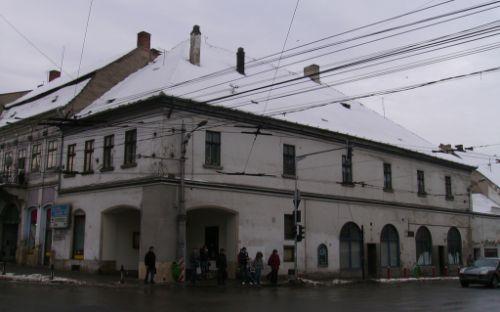
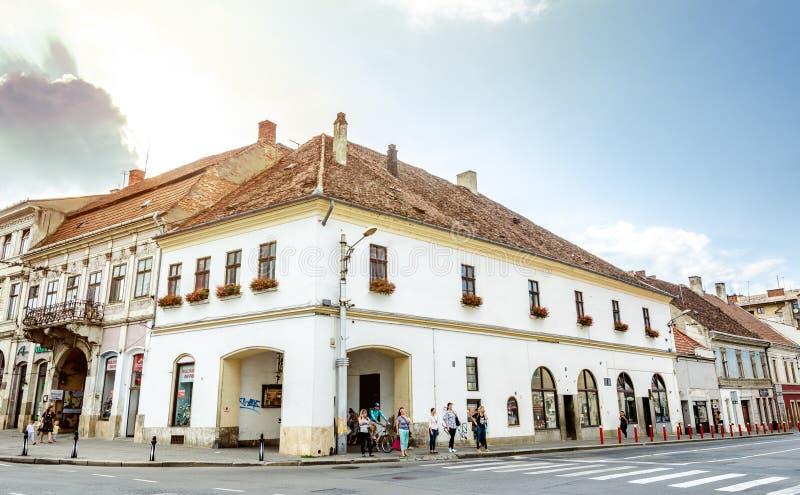
- Located in a historic 16th-century building in central Cluj-Napoca
- Houses extensive collection of pharmaceutical artifacts from 17th-19th centuries
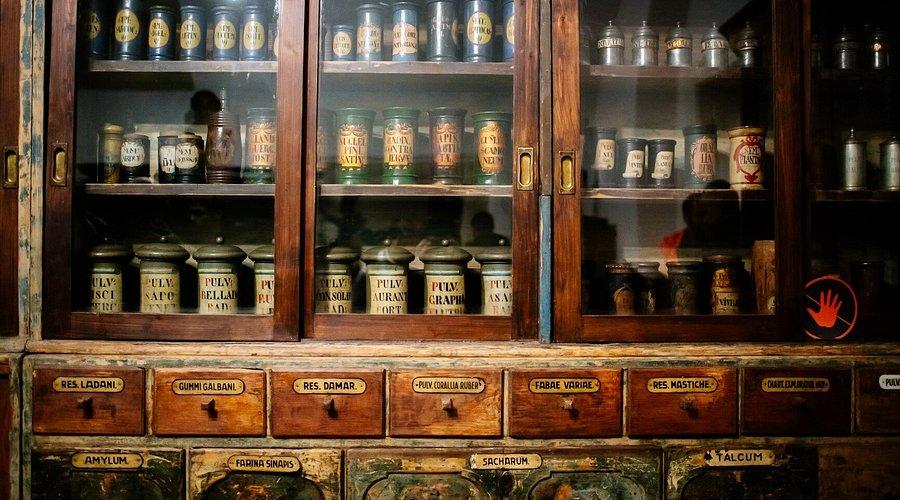
- Displays original pharmacy equipment, antique medicine bottles, and pharmaceutical documentation
- Represents one of the most comprehensive pharmaceutical history collections in Romania
What is Museum of Pharmacy in Cluj-Napoca?
The Museum of Pharmacy sits in the heart of Cluj-Napoca, transforming a 16th-century building into a time capsule of medical history. Travelers and history buffs flock to this compact museum to peek into Romania's pharmaceutical past, walking through rooms packed with antique medical tools, prescription records, and centuries-old pharmacy equipment. Located steps from the city center, this museum attracts around 15,000 visitors annually, drawing curious tourists and medical history enthusiasts who want to understand how pharmacies operated before modern medicine. The museum's collection spans three centuries, showcasing original wooden cabinets, glass medicine bottles, and intricate pharmaceutical tools that tell the story of healthcare evolution. International travelers often describe it as a hidden gem - a small but dense repository of medical heritage that offers a fascinating glimpse into scientific practices of previous generations. Visitors typically spend about 45-60 minutes exploring the exhibits, which are labeled in both Romanian and English, making it accessible for international tourists curious about medical history.
Top things to do at Museum of Pharmacy
- Explore the original 16th-century pharmacy cabinets with intricate wooden drawers and glass-fronted storage systems
- Examine rare pharmaceutical artifacts like hand-blown medicine bottles, antique prescription scales, and ceramic medication containers from the 18th and 19th centuries
- Study detailed medical illustrations and historical pharmaceutical documentation showcasing healthcare practices from different eras
- View the recreated historical pharmacy setting, complete with original equipment that demonstrates how pharmacists worked before modern technology
- Check out the special collection of herbal medicine references and traditional Romanian healing practices
- Learn about the evolution of pharmaceutical practices through comprehensive multilingual exhibit descriptions in Romanian and English
Tickets and Pricing
Entry to the Museum of Pharmacy is affordable for travelers. Adult tickets cost approximately 10 RON (Romanian Lei), which is around 2 EUR. Students and seniors receive discounted rates at 5 RON. Group discounts are available for 10 or more visitors. Tickets can be purchased directly at the museum entrance or online through the official Cluj-Napoca cultural attractions website. No advance booking is typically required, but groups of 10+ are recommended to contact the museum in advance.
History of Museum of Pharmacy
- 1500s: Original building constructed in historic Cluj-Napoca city center
- 1735: First documented pharmacy established in this location
- 1870: Building becomes a significant pharmaceutical research center
- 1948: Nationalization of medical facilities during communist era
- 1990: Building transformed into a dedicated pharmaceutical history museum
- 2000: Major renovation and modernization of museum exhibits
- 2010: Expanded collection to include international pharmaceutical artifacts
Tips for Visitors
- Allow 45-60 minutes for a complete museum tour
- English and Romanian labels available on all exhibits
- Photography permitted without flash
- Wheelchair accessible with ground floor exhibits
- Small museum gift shop sells replica pharmaceutical artifacts
- Nearby cafes perfect for post-museum refreshments
- Best visited during morning hours to avoid school group tours
What are some interesting facts about Museum of Pharmacy?
- The museum's collection includes a rare 18th-century pharmacy mortar made entirely from a single piece of marble, used for grinding medicinal herbs
- One exhibit features an original prescription book from 1735, which contains handwritten recipes for medicines using ingredients like leeches and herbal extracts
- The museum building itself was once a working pharmacy for over 200 years before becoming a historical museum, making its walls a living piece of pharmaceutical history