
Museum Square: Cluj-Napoca's Cultural Heart
August 06, 2025

I spent about two hours exploring Museum Square, wandering through the Transylvanian History Museum and admiring the mix of medieval and modern architecture. The square offered an unexpected glimpse into Cluj-Napoca's rich cultural heritage, with easy access from the city center and multiple interesting museums within walking distance.
Museum Square transforms Cluj-Napoca's historical narrative into a living canvas where medieval stones whisper stories of Transylvanian identity. Step into a urban space where every statue, building, and cobblestone reveals a layer of Romania's complex cultural journey.
Need-to-Know Info Before Visiting The Museum Square
5+
images
The Museum Square Address
Piața Muzeului, Cluj-Napoca 400020, Romania
The Museum Square Opening Hours
- 🕒 Monday-Sunday: Open 24/7 (public space)
- 🕒 Surrounding museums: Typically 10 AM - 6 PM
- 🕒 Check individual museum schedules for exact timings
How to get to The Museum Square
- 🚗 By car: Free parking available nearby
- 🚌 Public transport: Multiple bus routes (1, 2, 3, 21)
- 🚕 Rideshare: Uber and local taxi services available
What is The Museum Square known for?
- Central location of several important Cluj-Napoca museums
- Site of the Matthias Corvinus House, a significant medieval building
- Home to the Transylvanian History Museum complex
- Features statues of important Romanian historical figures
- Key cultural and historical landmark in Cluj-Napoca
What is The Museum Square in Cluj-Napoca?
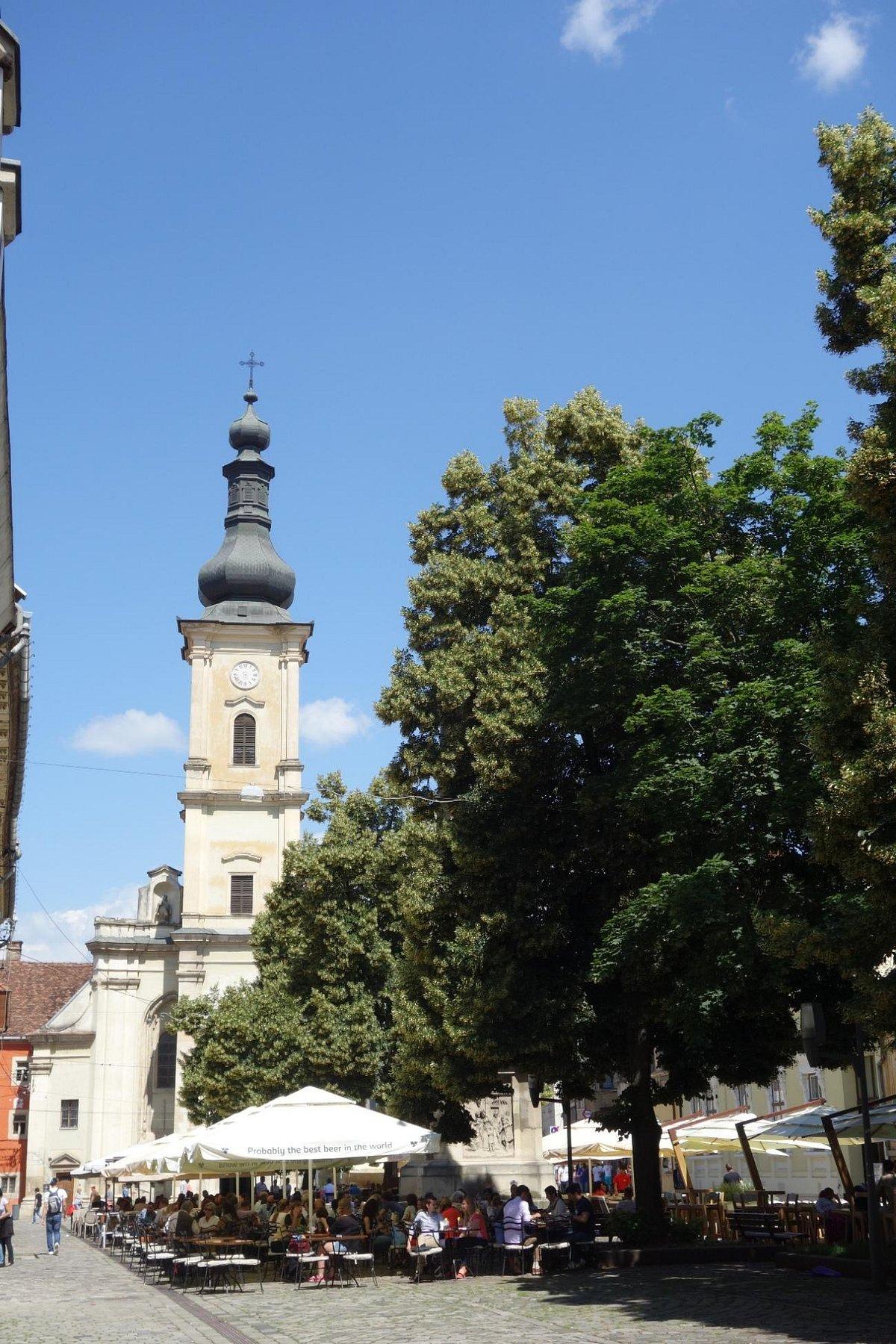
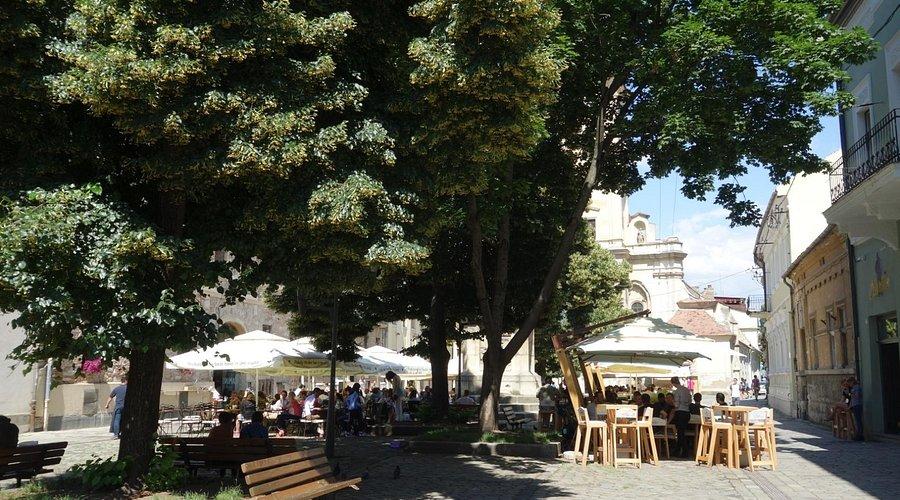
Museum Square sits at the cultural crossroads of Cluj-Napoca, transforming from a historic medieval gathering point to a modern urban space that connects multiple museums and historical landmarks. Tourists and locals alike gravitate to this central square, which serves as a geographic and cultural anchor in the city's historic center. The square stretches across approximately 5,000 square meters, surrounded by significant buildings like the Matthias Corvinus House and several museums that tell the story of Transylvanian history. Statues of notable Romanian figures dot the landscape, creating unexpected photo opportunities for travelers walking through the area. Tourists often use the square as a starting point for exploring Cluj-Napoca's rich cultural scene, with its mix of medieval architecture and contemporary urban design. Street performers, local students, and tourists create a dynamic environment where history and modern city life intersect seamlessly. Unlike typical tourist zones, Museum Square feels authentically local, offering a genuine glimpse into Cluj-Napoca's daily rhythm and historical significance.
Top things to do at The Museum Square
- Visit the Transylvanian History Museum located in the Matthias Corvinus House, showcasing regional historical artifacts and medieval exhibits
- Photograph the historical statues of important Romanian figures positioned throughout the square
- Explore the nearby University of Art and Design building, known for its architectural significance
- Check out temporary art exhibitions often hosted in surrounding museum spaces
- Walk around and appreciate the architectural mix of medieval and modern buildings surrounding the square
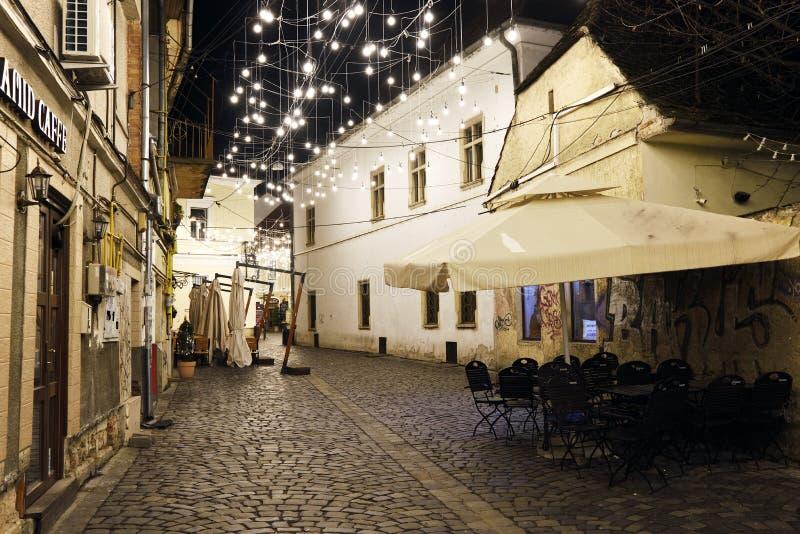
- Stop by local cafés and restaurants surrounding the square for authentic Romanian cuisine and people-watching
- Attend cultural events and festivals frequently organized in the Museum Square during summer months
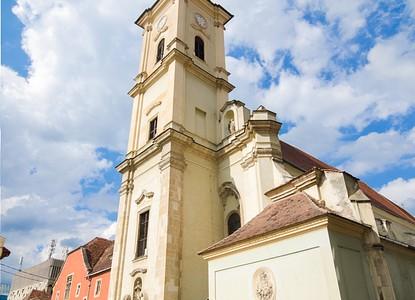
- Visit the Roman Catholic Cathedral located near the square, a significant architectural landmark
- Explore nearby antique shops and local art galleries that showcase Transylvanian cultural heritage
History of Museum Square
- 14th Century: Original medieval square established during the development of Cluj-Napoca's historic city center
- 1581: First documented references to the square as a central gathering point for local merchants and city officials
- 1700s: Significant architectural developments begin transforming the square's appearance
- 1850-1900: Major urban redesign period introducing current architectural layout
- 1920: After Romanian unification, square becomes a symbol of cultural and national identity
- 1945-1989: Communist era modifications alter some historical architectural elements
- 2000-Present: Comprehensive restoration projects reconnect the square with its historical roots
Cultural Significance
Museum Square represents more than a geographic location in Cluj-Napoca. It symbolizes Transylvanian cultural heritage, connecting medieval history with modern urban life. The square serves as a living museum, reflecting the region's complex historical narrative through its architecture, museums, and public spaces. Local residents view the square as a community gathering point that bridges generations and cultural identities.
Tips for Visitors
- Wear comfortable walking shoes for exploring the square and surrounding museums
- Bring a camera to capture architectural details and statues
- Check local event calendars for potential cultural festivals
- Consider guided walking tours for deeper historical context
- Visit surrounding museums for comprehensive local history experiences
- Carry cash for small purchases at local cafés and shops
- Best explored during daytime hours for maximum visibility and safety
Best Time to Visit
Late spring (May-June) and early autumn (September-October) offer the most pleasant weather for exploring Museum Square. Summer months bring more tourists and cultural events, while winter can be cold with potential snow. Weekday mornings typically have fewer crowds, allowing for more relaxed exploration of the area.
What are some interesting facts about The Museum Square?
- The square's cobblestones contain fragments of medieval pottery discovered during archaeological excavations, quietly preserving centuries of local history beneath visitors' feet
- Locals have a tradition of meeting at the Matthias Corvinus statue as a central meeting point, a practice dating back over 100 years
- Underground tunnels reportedly connect some of the historic buildings surrounding the square, remnants of medieval city defense systems
- The square contains precisely 17 different types of architectural stone styles, representing different historical periods of Cluj-Napoca's urban development
- During communist era, the square was temporarily renamed and many original historical markers were deliberately removed, a practice common in Romanian urban spaces